

The Essential Parts of Car Brakes
For many drivers, it’s all about putting their foot on the gas and going. It’s arguably one of the funnest and most necessary steps to driving. It wouldn’t be driving if you didn’t go anywhere. But, there’s one essential part of the process that many forget about, stopping. Think about it, what would happen if you couldn’t stop your car? While car brakes are often forgotten, they’re your car’s first and, arguably, most important safety feature that helps to make sure you can bring your ride to a stop when you need to. At Toyota of North Charlotte, it’s our belief that the more you know about your vehicle the better. Today, we’re educating you on the various parts of your car brakes and how they work to bring your vehicle to a stop and keep you safe.
The Various Parts of Your Car Brakes
Master Cylinder
If this part sounds like it’s important, it’s because it definitely is. The master cylinder of your car brakes essentially delegates how much power is routed to which brakes. This works from the moment you push the pedal, the master cylinder (which is located right beneath the pedal) will apply an appropriate amount of pressure based on how hard you push the pedal to bring your vehicle to a stop. Within a housing there are typically two master cylinders in case one were to fail.
Brake Line
The master cylinder applies pressure to your actual N Charlotte car brake assembly by sending brake fluid through the brake line. Brake lines consist of a variety of hoses and tubes that move fluid along from the master cylinder to the brakes to stop your vehicle. Depending on which wheels your vehicle uses for driving and steering, those wheels typically have rubber tubing while the others use steel.
Brake Fluid
Brake fluid is used as a source of pressure used by the master cylinder and your car brakes to bring your N Charlotte Toyota vehicle to a stop. The fluid travels back and forth through the brake lines and is gradually used by your vehicle like motor oil. The reservoir containing this specific fluid is usually visible in your car’s engine compartment so you can keep track of its level. If you notice a dramatic drop in fluid, be sure to have your brakes inspected immediately.
Rotors and Pads
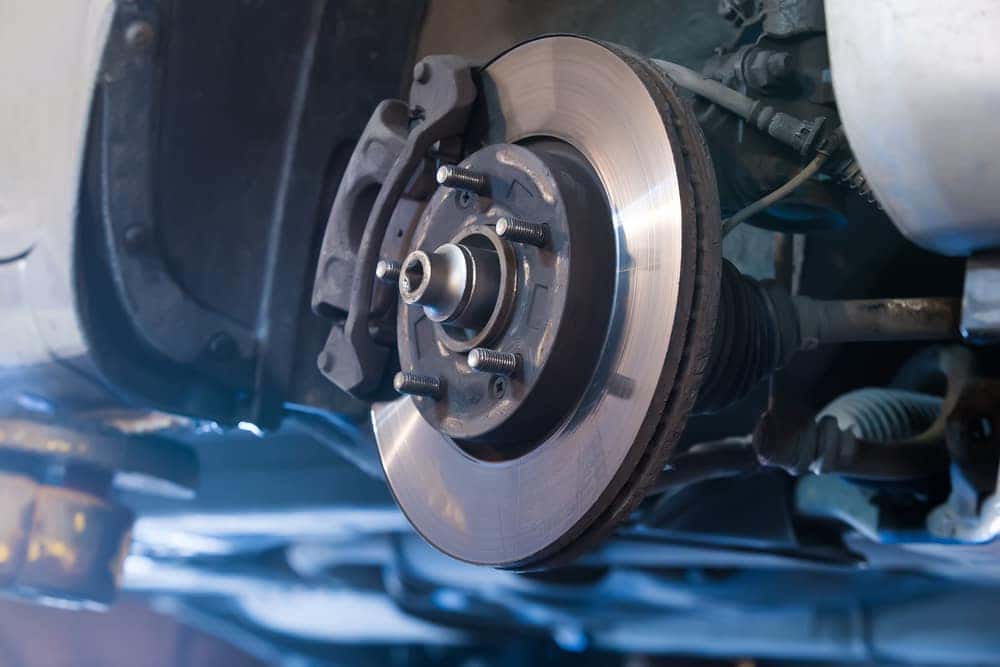
An essential part to your car brakes is the caliper. This houses several integral parts like the piston and pads that wrap around the rotor (the large disk you see behind your wheel). Rotors act as a surface for brake pads to rub against to generate friction to assist in stopping your vehicle. Brake pads create friction by gripping and rubbing against the rotor when the caliper is active during braking. Pads will usually need to be replaced every so often while rotors can typically be resurfaced to ensure a smooth surface for pad contact. Eventually, the rotor will need to be replaced after extensive wear and tear.
Your car brakes work hard to bring your N Charlotte Toyota vehicle to a stop and keep you safe while on the road. If you have any questions about how this car part works or need your brakes serviced, visit Toyota of North Charlotte at 13429 Statesville Road today.